

How to Look Fabulous for a Good Price — By Editing Your Closet and Shopping Smarter
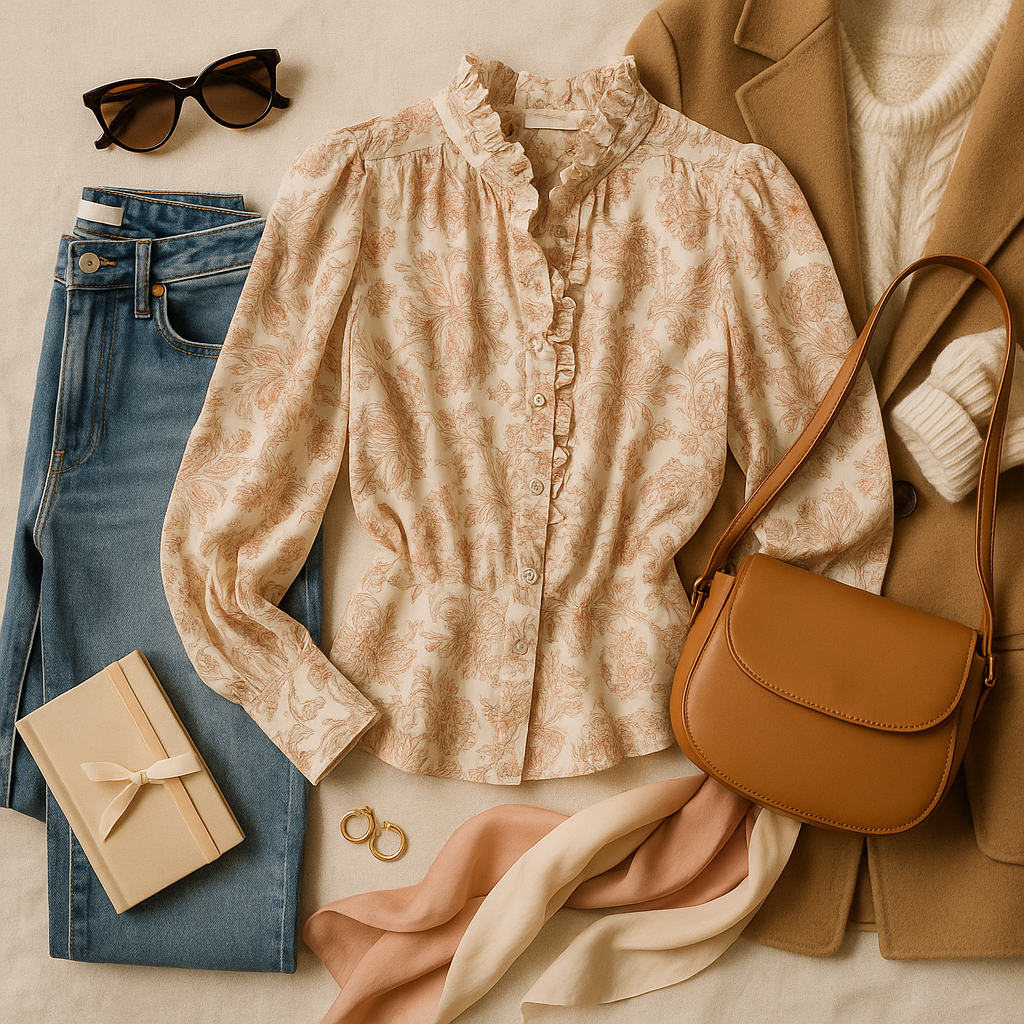
The year’s first refresh — classic pieces with personality, curated for how you actually live.
My friend recently asked how to look fabulous for a good price — not through fast fashion or endless sales, but in a way that is elevated and true to her style.
It’s a fitting question for the start of a new year. January always brings a sense of reset — a time for new goals, fresh perspective, and the urge to simplify and organize. After weeks of travel and celebration, many of us crave that same clarity in our wardrobes: fewer pieces, better choices, and a closet that reflects how we live now.
That’s where the process begins — not with what’s missing, but with what’s already there.
1. Evaluate Your Current Wardrobe
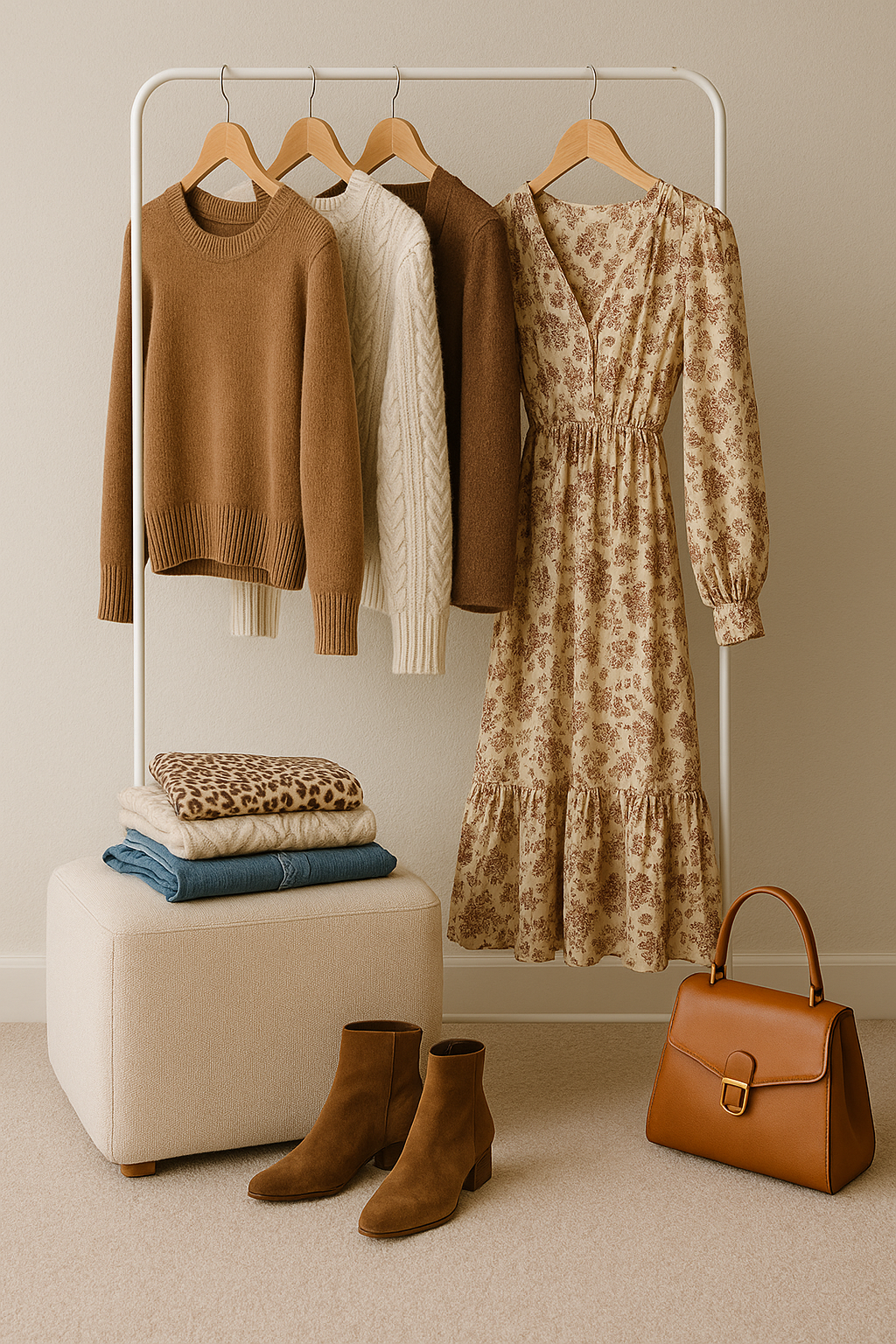
Start where you are — see what you already own and rediscover the pieces that define your style.
Start in your closet. Before buying anything new, take a moment to look at what you already own. This step is about understanding your wardrobe — what you wear most, what rarely leaves the hanger, and what supports your day-to-day style.
Pull everything out and lay your clothes where you can see them. Seeing the full picture at once makes it easier to understand what’s working and what isn’t.
Notice what you reach for first: the cotton dress that’s an easy throw-on, the cashmere sweater that’s held up for years, the jeans that fit perfectly. Those are your foundations.
Then look at what you tend to skip — the jacket that never fits quite right, the color that doesn’t flatter you, the heels that never make it out the door. These pieces are just as informative as your favorites.
Ask yourself:
Which colors are most flattering?
Which fabrics have kept their shape?
Which silhouettes consistently work for me?
Viewed as a whole, your wardrobe tells a clear story — the materials, palettes, and cuts that represent your style.
If you haven’t done a full closet review before, begin with Wardrobe Investments: How to Choose Pieces That Last; it outlines how to evaluate what to keep, repair, or release.
With your wardrobe in view, the picture sharpens — what stays, what goes, and what needs rethinking. The next step is defining what “fabulous” means for you — based on how you live day to day.
2. Define “Fabulous” for Your Life
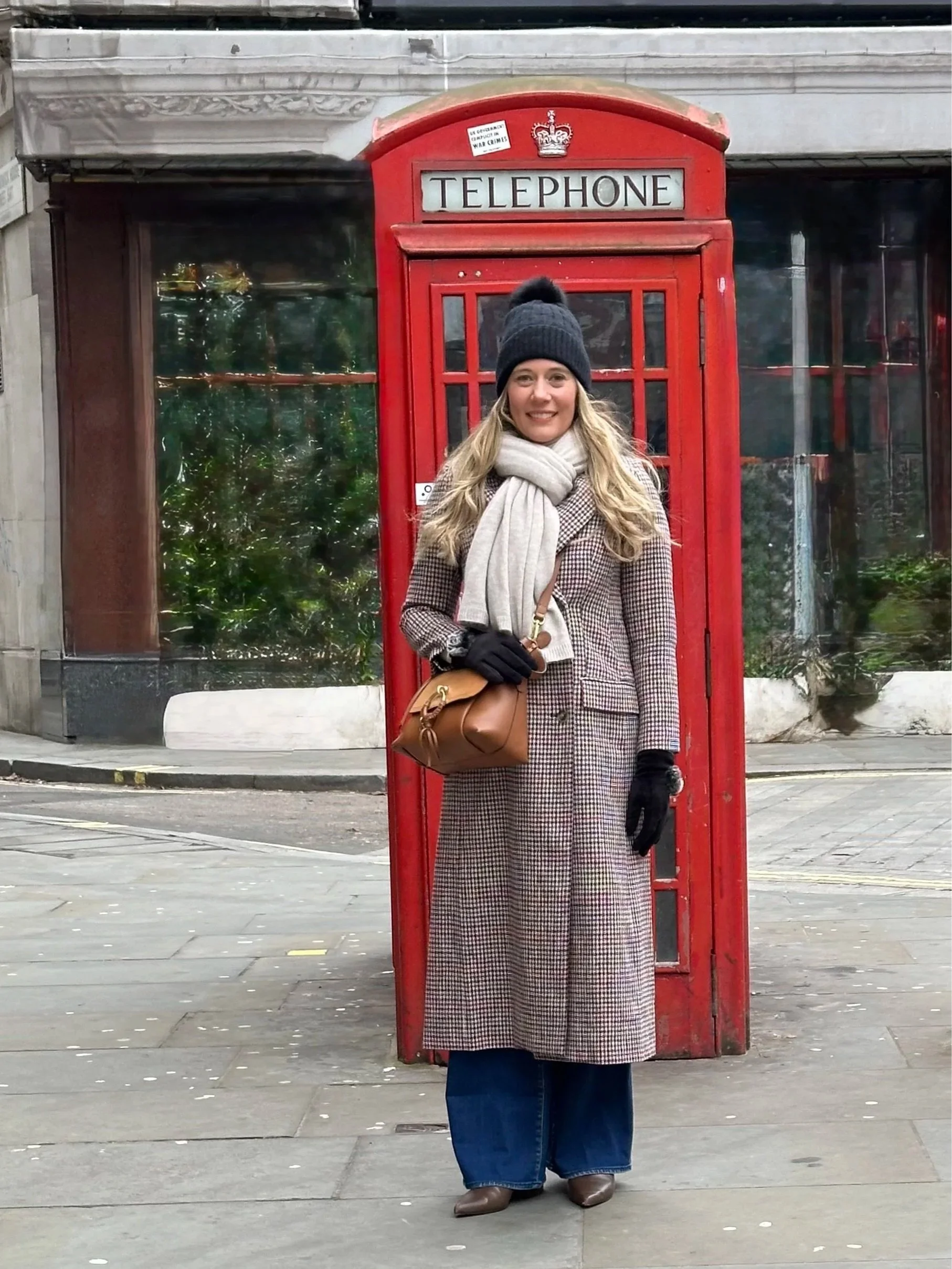
Fabulous doesn’t mean expensive; it means choosing pieces that support your routine, your climate, and your travels — and rewearing them well.
Style only matters when it supports the life you lead. Clothing that doesn’t serve your everyday routine, no matter how beautiful, simply takes up space.
To define fabulous, start with your routine. Think about your day-to-day environments, your climate, your upcoming events or travel, and the kind of clothing that functions well across them.
If your winter days mean walking outdoors, a tailored coat with real warmth will prove more useful than something delicate that rarely gets worn.
If your schedule includes travel or varied climates, look for layers that adapt — a lighter coat you can dress up or down, or a knit dress that works with both boots and sandals.
Defining fabulous isn’t about aiming for an ideal — it’s about refinement. Clothes that support your life have more longevity than those bought for a passing trend.
Think of fabulous as proportion, balance, and purpose rather than excess. A thoughtful wardrobe endures through seasons and change.
When your clothes align with how you live, getting dressed is straightforward because the pieces support your routine.
3. Identify What’s Missing
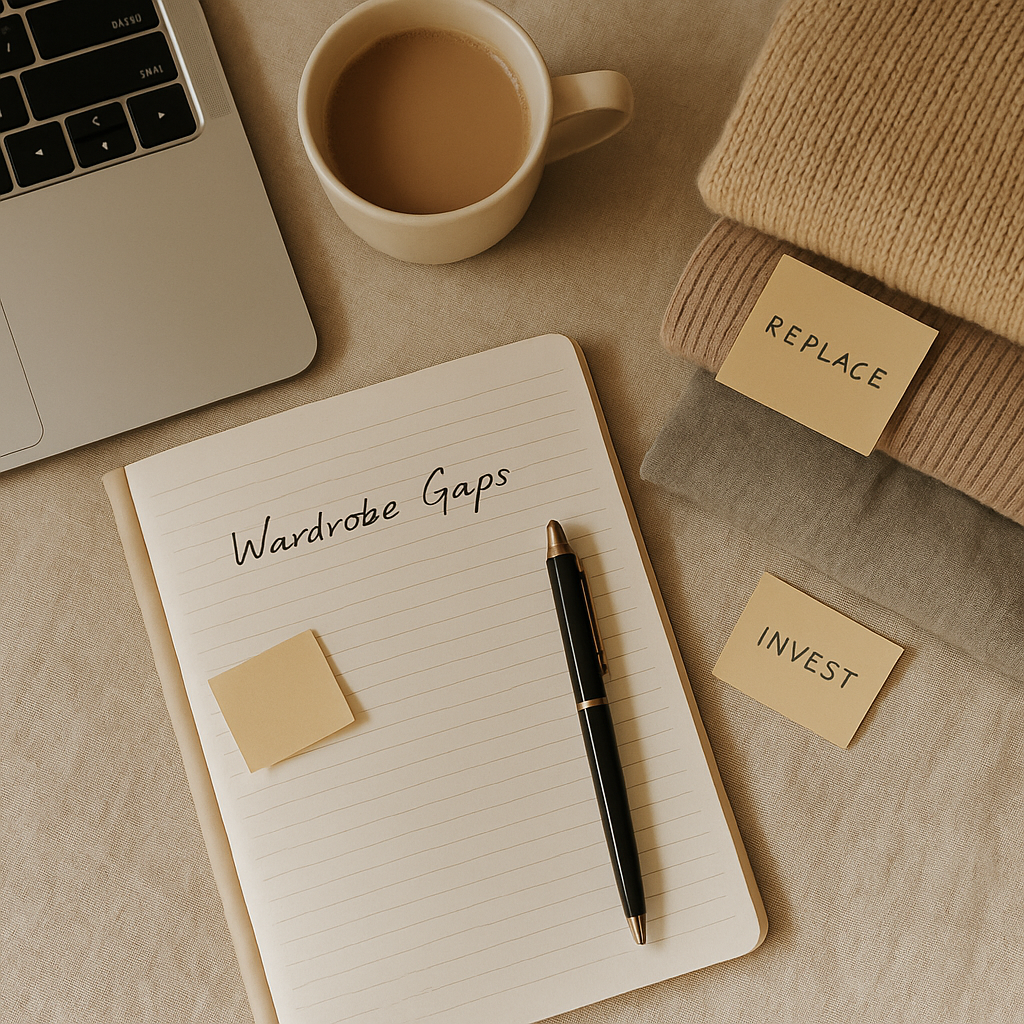
Identify what’s missing — focus on what would make your wardrobe work better, not bigger.
Once you’ve reviewed your wardrobe and defined what fabulous means for your life, the next step is identifying what’s missing.
Reflect on what you needed this season, but couldn’t find in your own closet. Maybe you own several coats, but none suited for rain. Perhaps you’re missing boots that work for both errands and evenings out, or a dress that transitions across climates and occasions.
Write these gaps down — just two or three items that would genuinely expand your options. This list matters. It shifts shopping from browsing to problem-solving.
This is where “a good price” comes into focus. Dressing well for less isn’t about buying the cheapest option; it’s about buying fewer pieces, choosing better quality, and purchasing them thoughtfully. A well-made coat bought on sale and worn for years often costs less over time than multiple fast-fashion alternatives that lose their shape, fall apart, or never quite work.
January makes this approach easier. End-of-season sales allow you to invest in quality pieces at reduced prices — pieces you already know you’ll wear because you’ve identified the need.
Retailers like The Outnet often carry last-season collections from brands such as Zimmermann, Chloé, or Aje — designs that hold their relevance well beyond a single season. For resale, platforms like The RealReal, Vestiaire Collective, or Poshmark offer access to pre-owned investment pieces at a fraction of their original price. For knitwear, January promotions from brands like Naadam or White + Warren are well suited for replacing staples you reach for every winter.
Selling pieces that no longer serve you can offset new purchases and create space for what you really need.
The goal isn’t replacement, but refinement — adding only what supports the way you live and complements what you already own. Over time, this approach leads to fewer purchases, lower cost per wear, and a wardrobe that works with. your life without constant shopping.
4. Buy Quality Once, Care for It Well
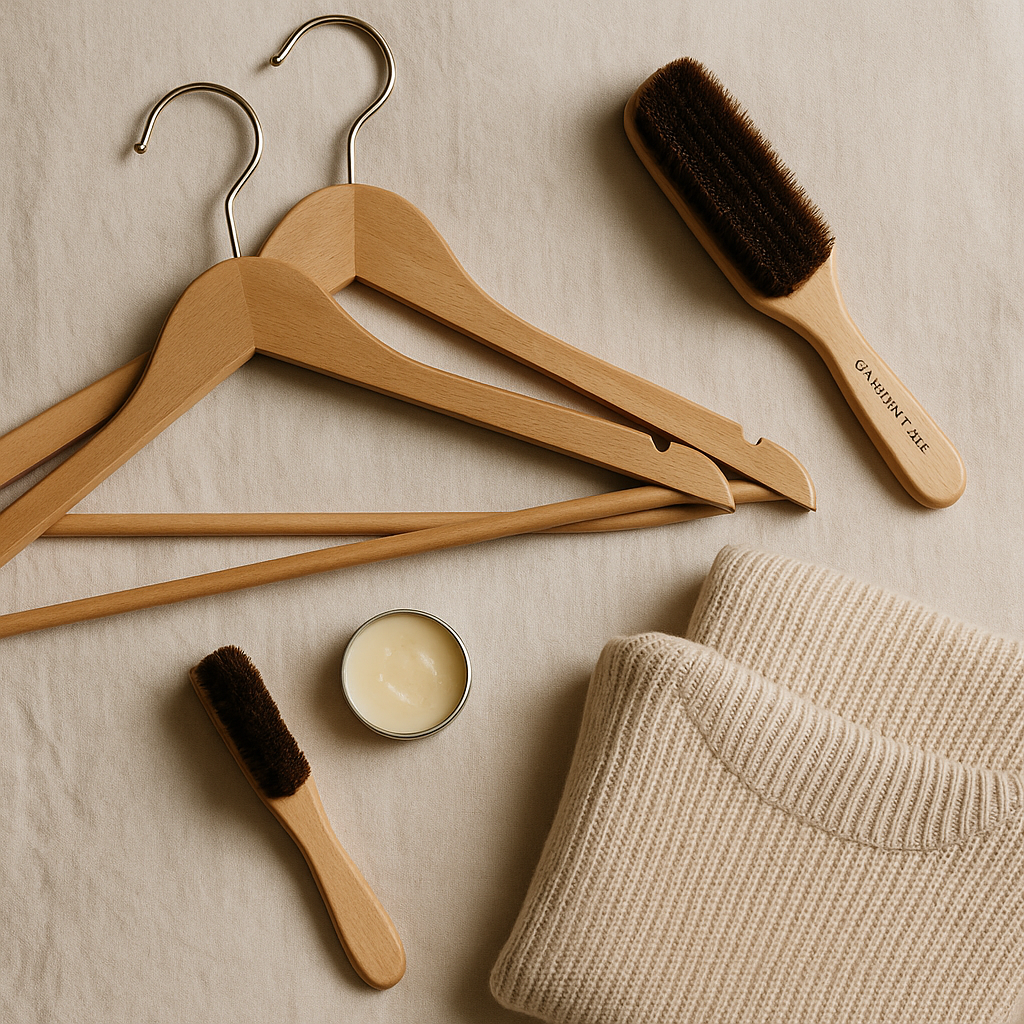
Sustainability begins not with what we purchase, but with what we preserve.
When you do buy, focus on construction. Quality determines how a piece wears, how it ages, and how long it stays in rotation.
Outerwear: Choose fabrics with structure and substance. A puffer with high-fill down or recycled insulation, a waxed-cotton raincoat, or a densely woven wool coat will retain warmth and shape for years. Check seams, linings, and closures — details that reveal real craftsmanship.
Shoes: Select real or high-grade vegan leather with stitched soles. Materials that can be conditioned, polished, or re-soled will last far longer and improve with wear.
Denim: Choose 100 percent cotton in a sturdy weight. Well-made denim softens over time, developing character rather than losing form. Avoid lightweight weaves or synthetic stretch that break down quickly.
Knitwear: Prioritize natural fibers — cashmere, merino, alpaca, or organic cotton — over synthetics that pill and lose structure.
Once you own quality pieces, maintenance matters as much as material:
Re-sole boots before the leather thins.
Fold knitwear; never hang it.
Clean coats before storing and hang them on wide wooden hangers with space to breathe.
Condition leather bags once or twice a year to prevent cracking.
The goal isn’t perfection — it’s longevity. Well-made pieces, cared for properly, serve across seasons and years, reducing the need to buy again and again.
Sustainability begins not with what we purchase, but with what we preserve.
5. Restyle and Reinvest
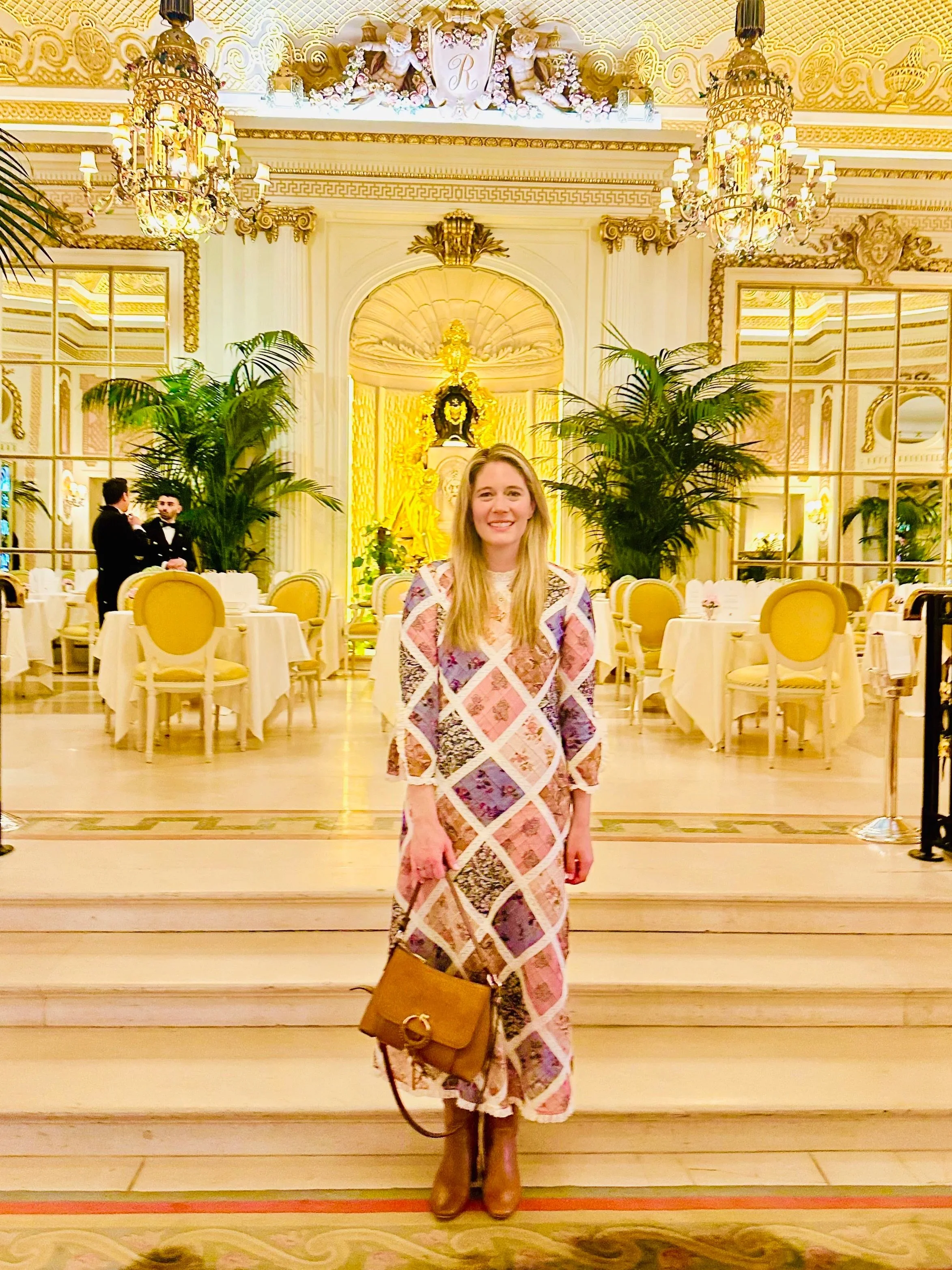
This linen patchwork dress is one of my warm-weather staples, but with opaque tights, tall boots, and a wool coat, it becomes a winter-ready look — proof that reimagining what you already own is often the most stylish option.
Before buying something new, look at what can be reimagined. Often, the most versatile pieces are already in your closet — they just need to be styled differently.
A lightweight summer dress layered with a leather belt, tall boots, and a quilted coat becomes winter-ready.
A silk skirt paired with a fine-gauge turtleneck and flats works for lunches or travel days.
A cotton blouse under a sleeveless dress adds structure and warmth for cooler weather.
Small styling shifts extend a piece’s life across seasons and settings. For more inspiration, see [How to Restyle a Summer Dress for Fall and Winter], which walks through layering techniques that give warm-weather pieces year-round relevance.
If your edit left you with items that no longer serve you, resell them. Everyday pieces do well on Poshmark or Depop; higher-end items fit The RealReal or Vestiaire Collective. Even a few thoughtful sales can fund one lasting addition.
Setting aside a small monthly amount — even fifty dollars — as a dedicated Style Fund helps you invest when the right piece appears. It’s a slow, steady approach that builds both discipline and freedom: the ability to buy well, without impulse.
This approach relies on using what you already own and being selective about what you add.
6. The Flight 2 Fashion Philosophy
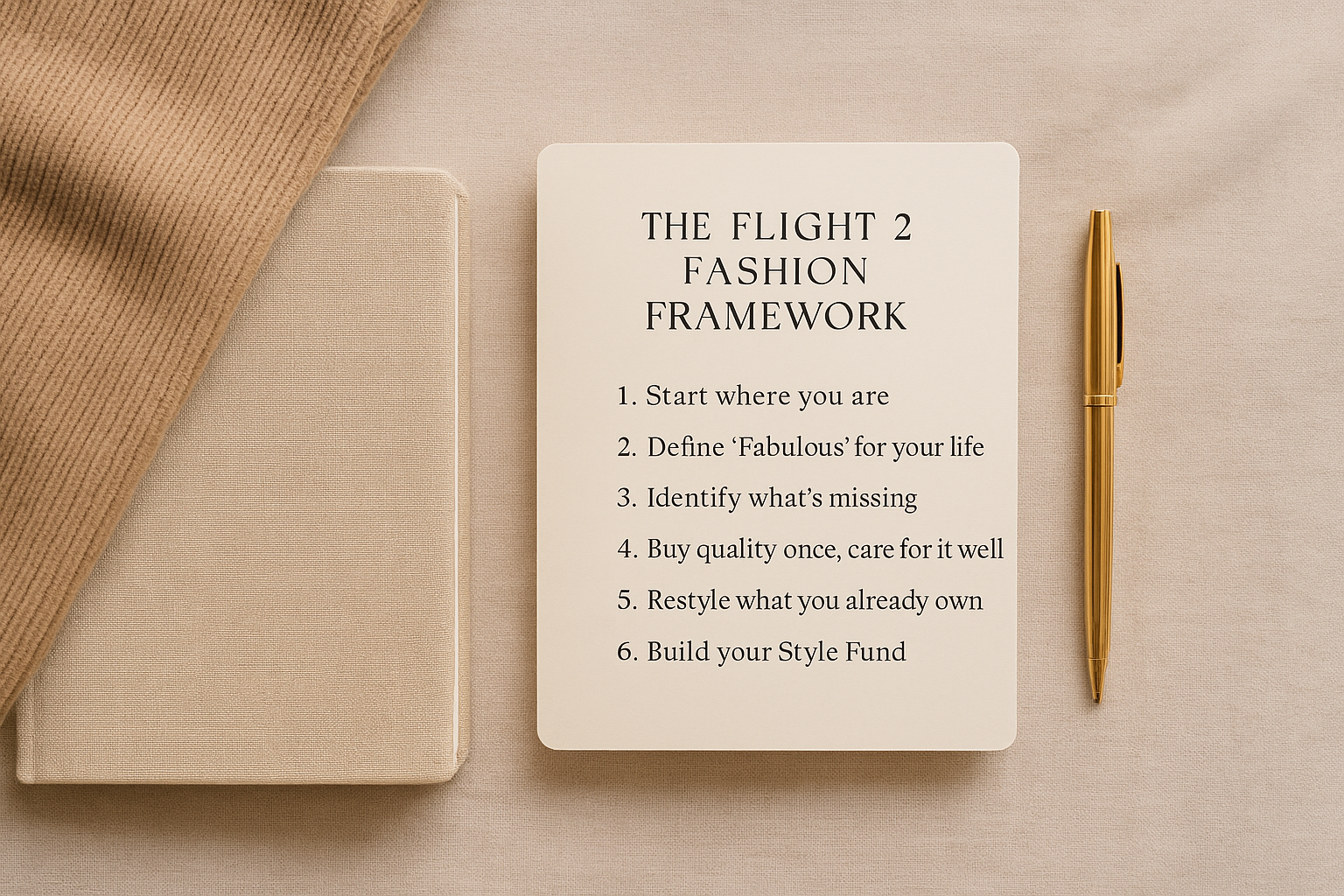
The Flight 2 Fashion Framework — six steps to refine your wardrobe, redefine your style, and shop with purpose.
Looking fabulous for a good price isn’t about chasing discounts or trends — it’s about building a wardrobe that reflects your life, your values, and your sense of style.
When you begin with what you own, define what works for you, and choose quality over quantity, everything else follows. You spend less, wear more, and avoid pieces that sit unworn.
You’ll find that for most occasions — a trip, a dinner, a new season — what you need is already there. When you do add something new, it serves a purpose and lasts beyond the moment.
✨ Flight 2 Fashion Takeaway:
Fabulous style isn’t found in constant buying. It’s built through clarity — knowing yourself, valuing quality, and creating a wardrobe that is personal, versatile, and lasting.
✨ Want a template to try this yourself? Download in the [Resources Library] to choose your core pieces and see how they set the tone for the rest of your outfits.
✨ Interested in reading more? Explore the [Inspiration Gallery] for seasonal color palettes, festive outfits, and mood boards to guide your December packing and read the guide Holiday Style: How to Look Festive Without Buying a Whole New Wardrobe. and the guide about Wardrobe Investments: How to Choose Pieces that Last.

The same boots and bag worn on repeat, and the coat I styled different ways throughout my trip.
