

Your Travel Year, Your Way: Reflect and Redesign the Way You Travel

Holiday nights, filled with your favorite travel memories.
Picture this: the holiday lights are still glowing overhead, the streets are quiet, and you have a moment just for yourself.
You stop and reflect — not just on the year, but on your favorite travel moments: the places you visited, the sights you explored, the new foods you tried, and the experiences that stayed with you.
The quiet days of late December are the perfect time to pause before the new year begins and reflect on your travels — what worked, what didn’t, and what you’d do differently next time.
When I was teaching, my best lessons came from this kind of reflection: looking back, identifying what worked, and using those insights to plan more effectively going forward. Travel benefits from the same approach. Asking the right questions helps you plan trips that run more smoothly, fit your needs, and leave you with more of the moments you actually want to remember.
This post walks you through five steps to reflect and redesign your travel — turning what you’ve learned into a guide for planning next year’s trips.
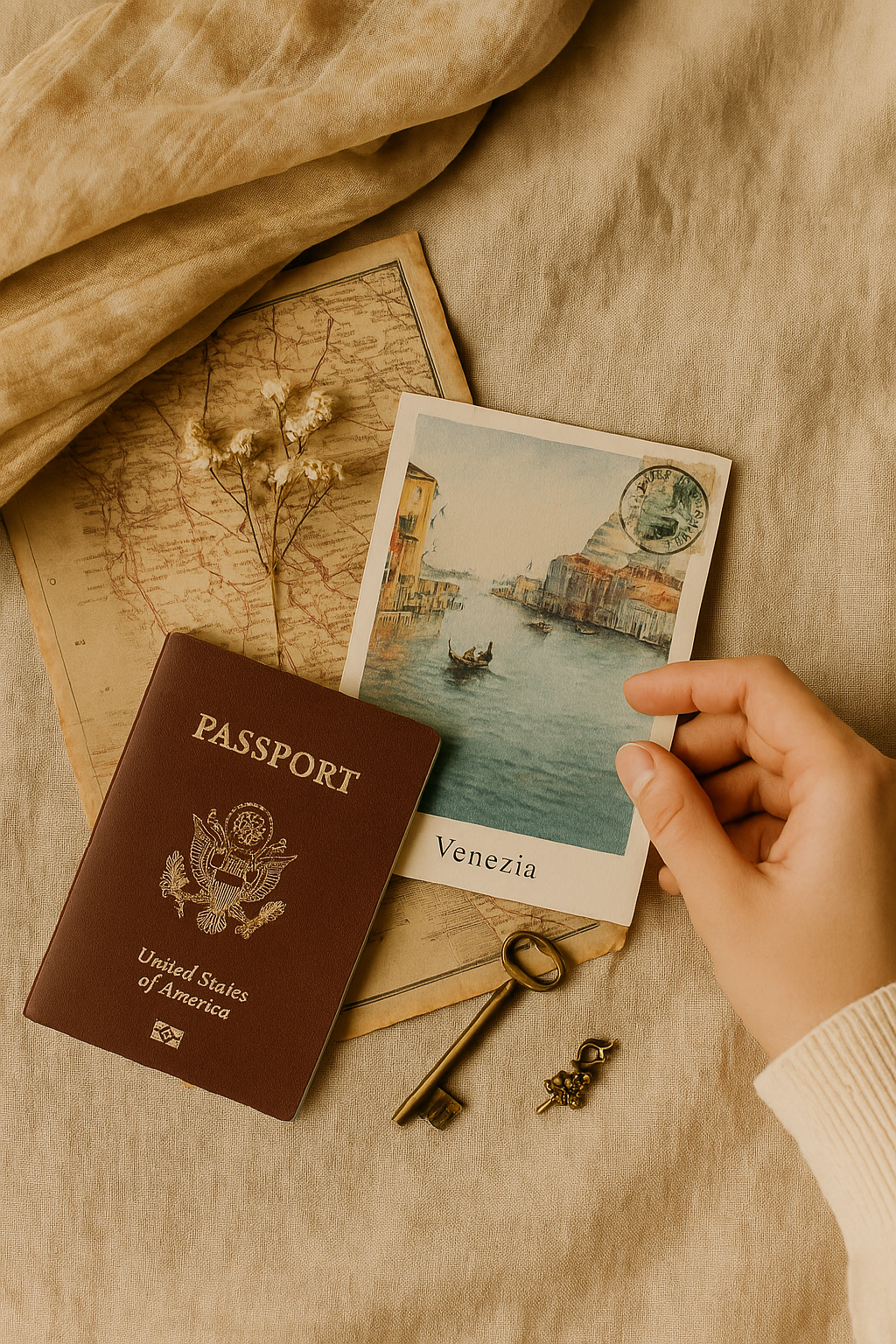
Looking back at the trips and travel moments from the year.
Step 1: Break Your Travel Into Four Parts
Look back at each trip this year by focusing on four areas. This helps you see what created your favorite moments and where small changes could make future trips better.
Experience — the key moments or days that stand out when you look back on the trip
Logistics — how you travelled from place to place, where you stayed, and the pace of each day
Personal State — how you felt, how prepared you were, and how confident you felt in what you packed
Budget — where money added value and where it didn’t
This step turns your travels into patterns and choices you can learn from — giving you a clearer picture of how you like to travel.
Step 2: Find the Highlights
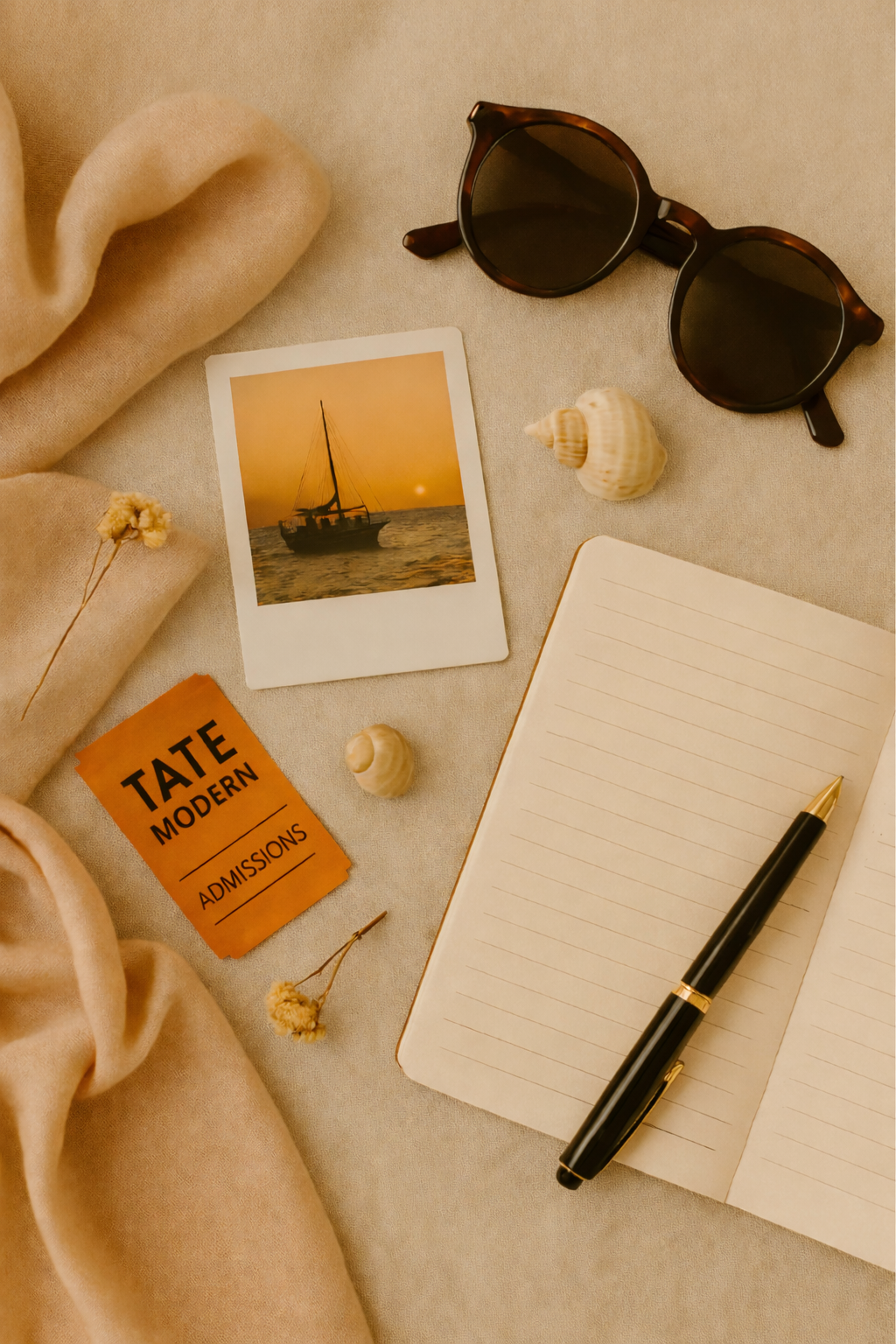
Your favorite travel moments show you what to plan more of next year.
Experience: a sunset boat cruise ending with dinner on the beach; a day trip that balanced exploring a town with visiting historical sites; an evening spent at a local restaurant that turned into one of the best meals of the trip.
Logistics: choosing the train over flying for a smoother, more efficient journey; staying at a hotel within walking distance of everything you wanted to see; a day when transfers, reservations, and sightseeing all lined up.
Personal State: waking up rested because the day before wasn’t overscheduled; feeling like yourself in what you wore; having exactly the right layers for the weather.
Budget: a splurge meal that justified the cost; a boutique hotel that made mornings easier and put you in the right neighborhood; close-up seats at the Fulham vs. Arsenal match that became a highlight of the trip.
Then ask why each worked. Was it timing, pace, location, or preparation?
Step 3: Identify the Travel Challenges
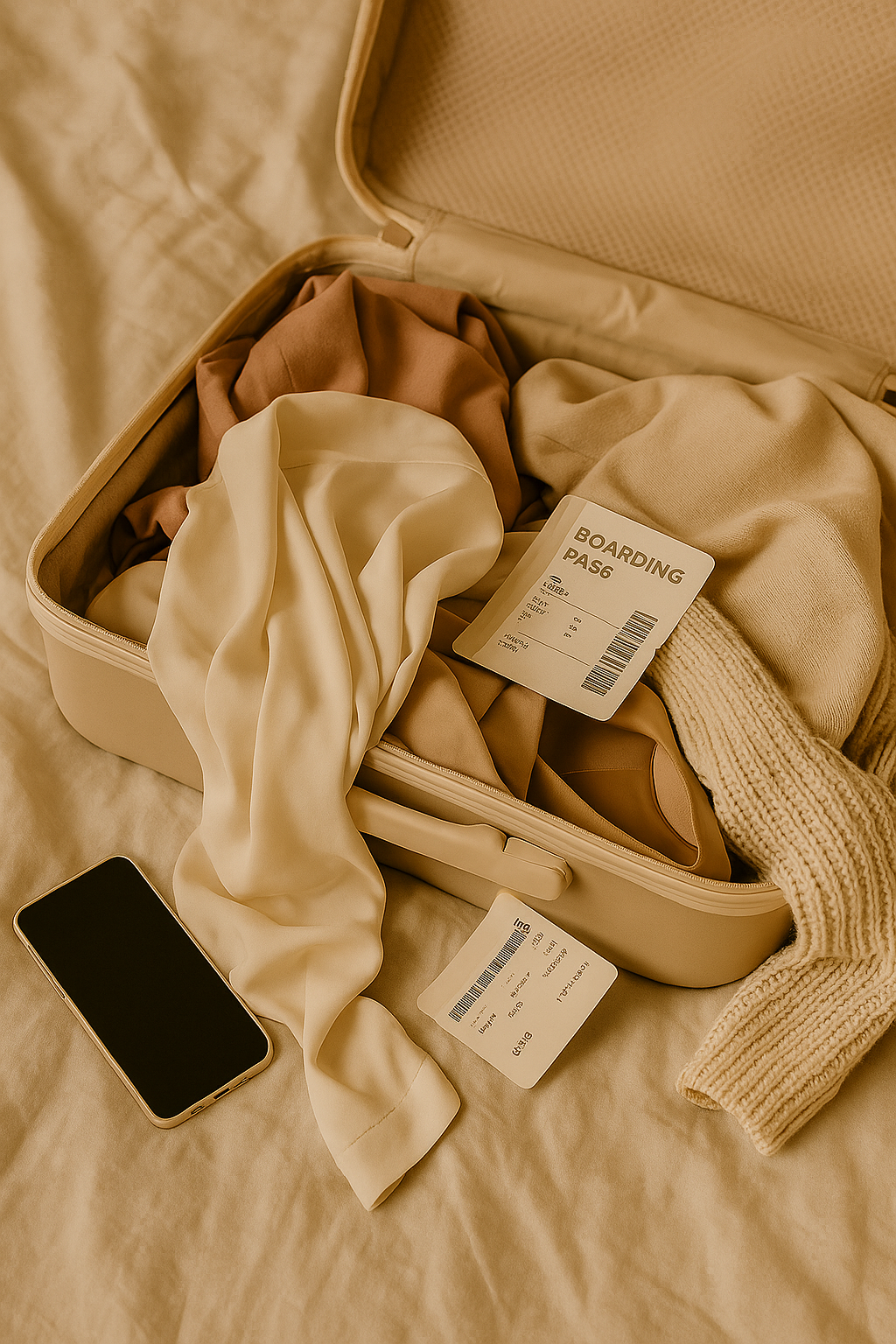
Even messy travel days can teach you how to plan smarter next time.
Experience: a guided tour that dragged on and left you drained; a day packed with too many activities that turned into rushing from one stop to the next; a restaurant that looked great online but didn’t meet expectations.
Logistics: a transfer day with back-to-back trains and no buffer for delays; an early-morning flight after a late night out; a hotel located far from everything that turned every outing into a trek.
Personal State: feeling exhausted because there wasn’t enough downtime built in; a dinner where you didn’t feel comfortable in what you wore; a cold morning caused by not packing the right layers.
Budget: an expensive experience that felt generic; a tour that didn’t add value; extra transfers that wasted both time and money.
Treat these as information, not regrets. They’re insights that help you plan differently next time — with better pacing, smarter hotel locations, and a budget focused on what matters most to you
Step 4: Spot the Patterns in Your Travel Highlights and Challenges
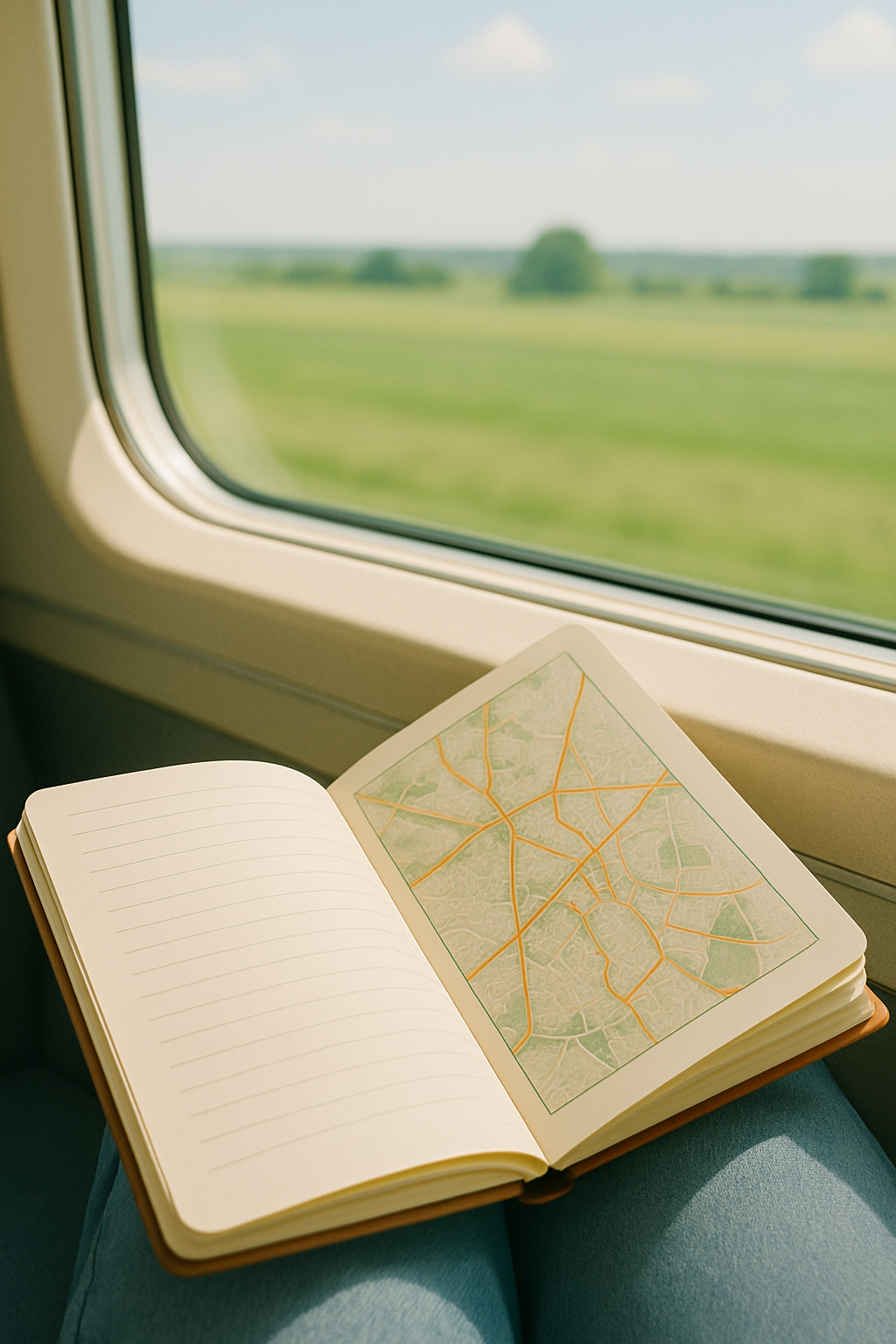
Turning reflections into next year’s travel plans.
Step back and compare what worked and what didn’t. You’re looking for the patterns that run through your trips — the details that reveal how you actually like to travel.
Experience: Were your favorite days the slower ones — breakfast without rushing, one memorable activity instead of three — while the most stressful days were packed end to end?
Logistics: Do the hardest moments always seem to happen on transfer days — meaning fewer stops or better spacing might make next year’s trips feel easier?
Personal State: When did you feel most at ease — well-rested, dressed for the setting, prepared for the weather — and how can you set yourself up for more of those moments?
Budget: Which splurges became favorite memories, and which expenses just weren’t worth it?
Spotting these patterns helps you design trips around what you truly enjoy — so next year includes more of the moments you want to repeat and fewer of the ones you don’t.
Step 5: Redesign the Way You Travel
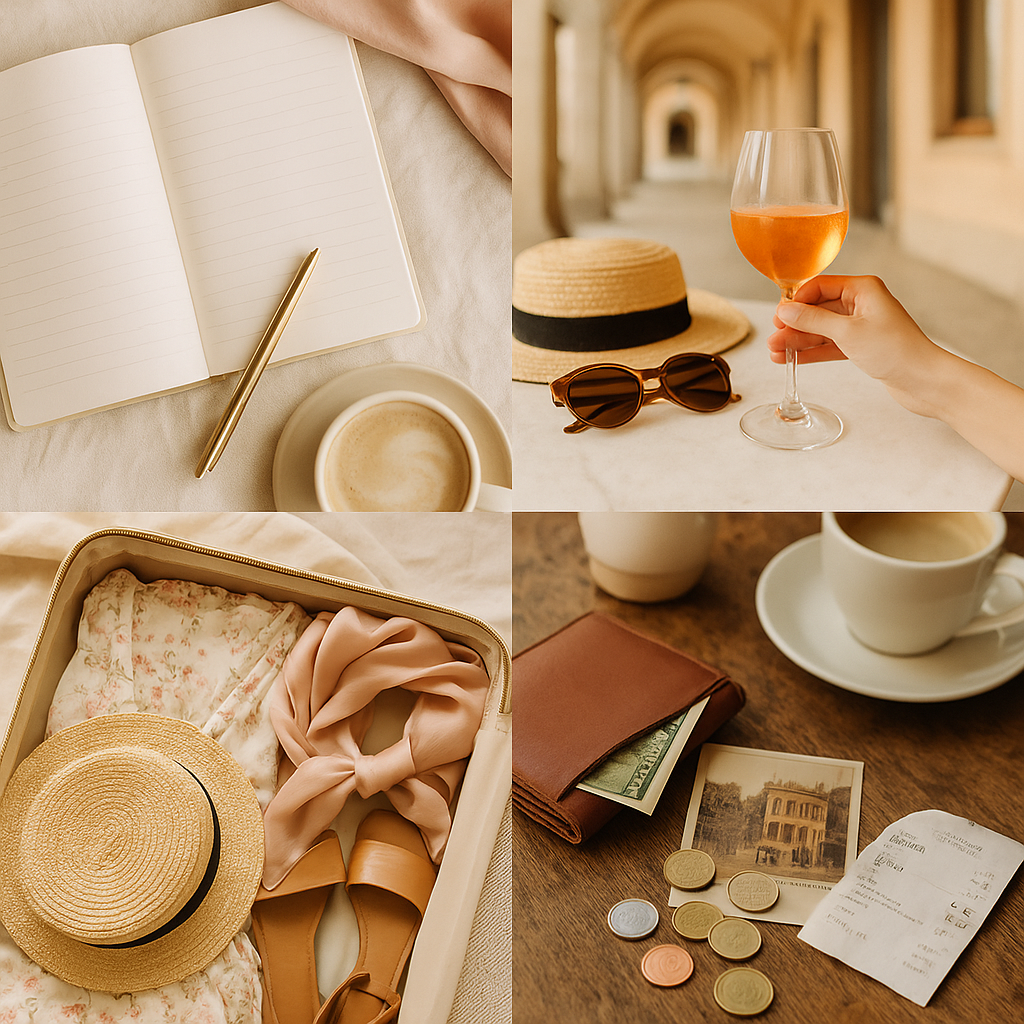
Redesign the way you travel — with a clear plan, a curated suitcase, and your priorities in focus
Once you’ve spotted the patterns, turn them into small but meaningful changes for next year. Choose one in each of these areas:
Trip Structure: will you plan fewer stops? Build in a recovery day after long travel? Choose one longer trip instead of several short ones?
Experiences: will you plan around one main highlight per trip — a special dinner, a favorite museum, a day at the beach — and leave more space for discovery instead of over-scheduling?
Packing & Preparation: will you build next year’s packing list around the pieces that made you feel most comfortable and prepared? Replace or skip the ones that didn’t work?
Budget: will you shift money toward the parts of your trips that created the best memories — and spend less on the ones you barely remember?
Write them down. These decisions become a simple guide you can return to as you plan — a way to make sure next year’s trips reflect what you value and give you more of the moments you want to remember.
Looking Ahead
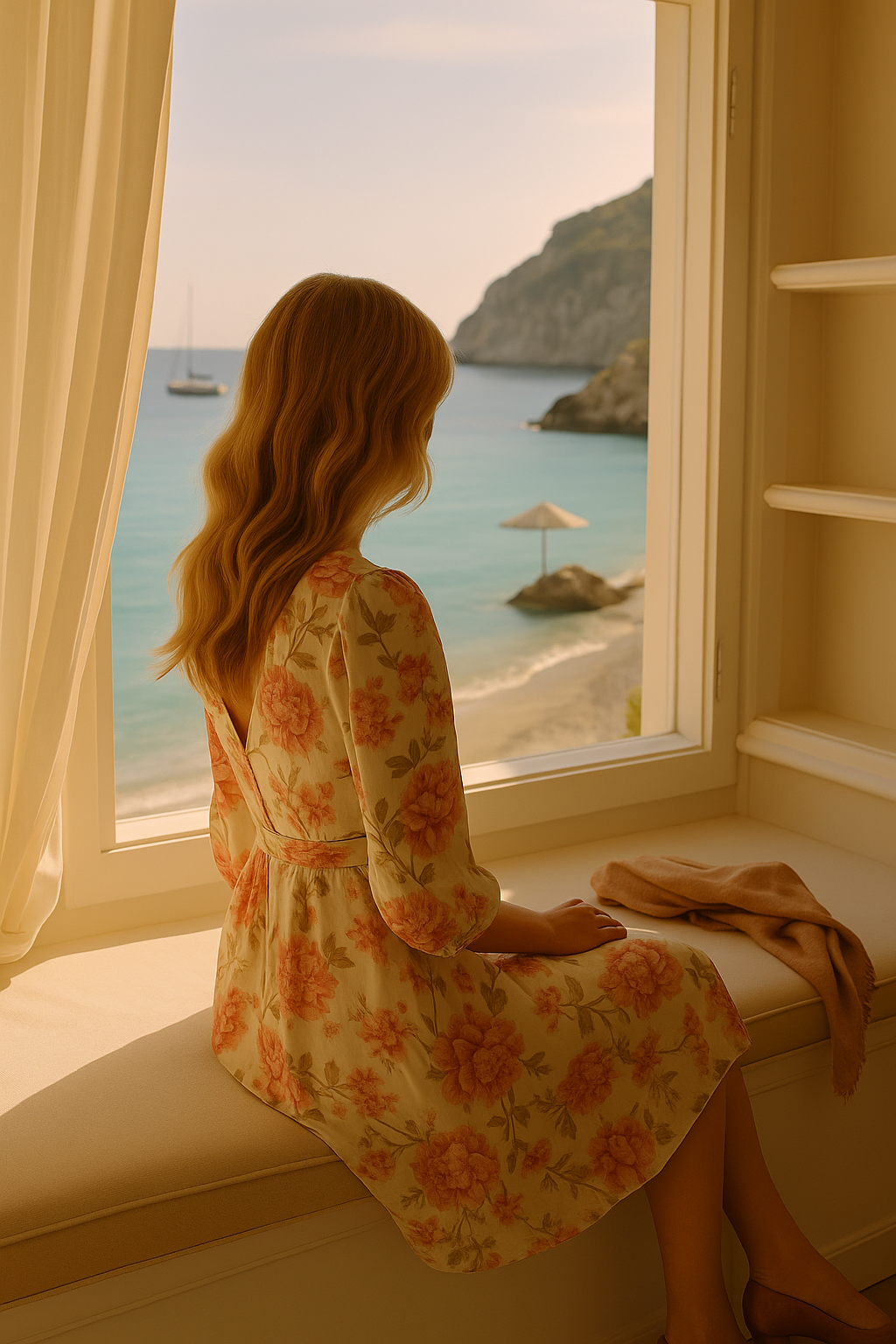
Next year’s travel memory…
Picture yourself at the end of next year, looking back on trips that ran smoothly and reflected how you prefer to travel.
Taking a few minutes now to reflect clarifies what to repeat, what to adjust, and how to plan trips that fit you.
✨ Want a template to try this yourself? Download in the [Resources Library].
✨ Looking for travel or packing inspiration? Explore the [Inspiration Gallery] for seasonal color palettes, outfits, and travel mood boards to guide your packing.
✨Interested in reading more? Check out: How I Pack Layers for a 3 Day Weekend , ThreeThings I Pack for a Fall City Trip, and The ThreeThings I Pack for Thanksgiving.
